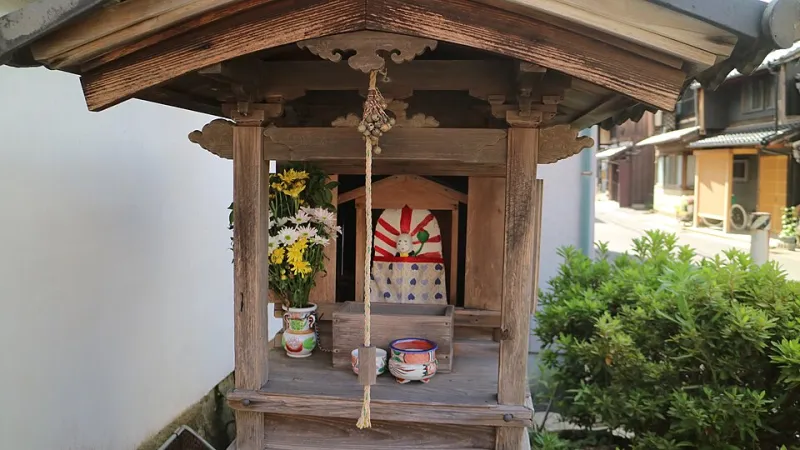
Small Gods by the Curb: A Field Guide to Japan's Roadside Shrines
They sit between coin parking lots, behind retaining walls, and beside vending machines, easy to miss. A quiet field guide to the sacred spaces that survive at the edge of the block.

Quiet notes from everyday Japan
They sit between coin parking lots, behind retaining walls, and beside vending machines, easy to miss. A quiet field guide to the sacred spaces that survive at the edge of the block.

Most American rooms are planned around what goes in them. Japanese homes and streets often make room for what stays out: the gap, the margin, the edge. Seven everyday words for emptiness, and one small scene for each.
In Japan’s old-school coffee shops, the best seat is often a narrow counter facing a wall. Here is a quiet field guide to reading the room, ordering simply, and enjoying a kissaten without turning it into a sightseeing stop.
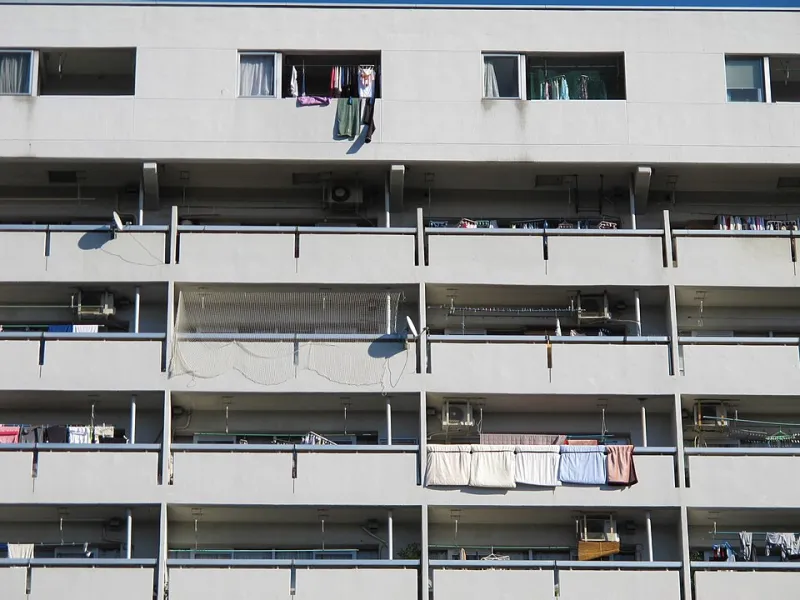
Japanese apartment dwellers often turn a narrow balcony wall into a vertical garden with hooks, rails, and careful neighborly etiquette. It is part small-space guide, part daily practice, and a surprisingly useful idea for US renters.
From a second-floor window, the 6:30 AM radio calisthenics broadcast looks almost too small to matter: a handful of neighbors stretching in a park. But the routine leaves behind something larger than exercise—a low-stakes way of being seen.
Japanese apartment walls are thin enough to turn neighbors into a radio station you never chose. The thump of a futon, the murmur of late-night TV, the faint drift of an enka record—all of it makes a case for closeness without intrusion.