The Card That Must Land on January First: Japan’s Nengajo Habit
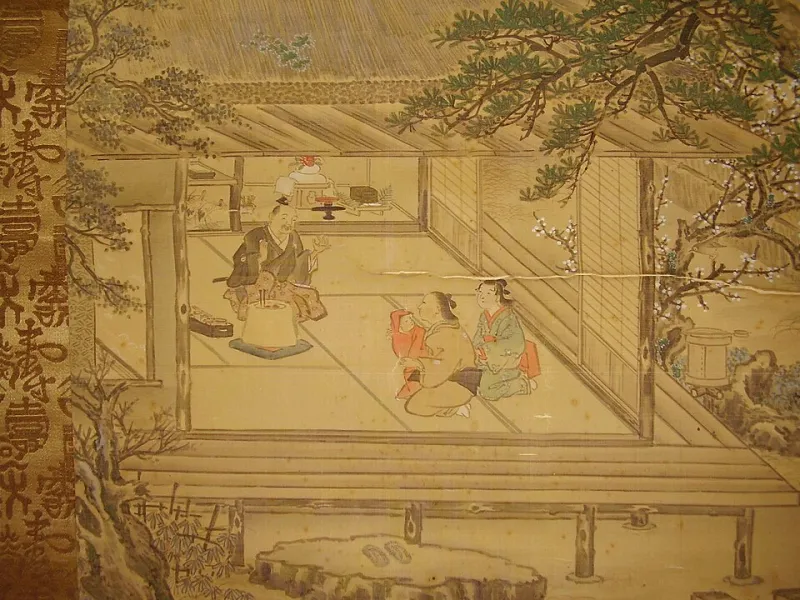
Photo: Lx 121, Public domain, via Wikimedia Commons
In late November 2026, the post office counters in Japan begin to look different. Boxes of blank New Year’s cards appear near the stamps. Stationery shops set out pens and address labels. Convenience store printers offer designs with family photos, pets, and zodiac animals. The cards are not for Christmas. They are for January 1, 2027, and they are supposed to arrive on that day.
The Japanese New Year’s postcard is called nengajo. It is a greeting, but it is also a deadline. You do not send it whenever you get around to it. You send it so that it lands in the mailbox on the first morning of the year. That single date turns a small piece of paper into a quiet annual obligation.
A greeting with a delivery date
In the US, holiday cards arrive across December. A card that shows up on December 28 is fine. A card that shows up in January is late, but not a failure. Nengajo works differently. The first of January is the point. Japan Post collects cards through a designated deadline in mid-December, sorts them, and holds them for delivery on New Year’s Day. If you miss the deadline, your card still arrives, but it arrives after the day it was meant to mark.
That timing creates a strange, useful pressure. The cards have to be bought, addressed, written, and mailed in the busiest weeks of the year. The labor is not huge for any one card, but it multiplies. A list of thirty people is an evening. A list of two hundred is a project. Families divide the work. Some print addresses from a database. Some still write by hand.
The address list as a quiet ledger
The most revealing part of nengajo is not the design. It is the list. To send cards, you have to know where people are. You have to update addresses when someone moves. You have to decide whether to include a family that has lost someone, a friend you have not spoken to since school, a former neighbor, a cousin who never writes back.
In that sense, the address list is a small ledger of relationships. It records who is still in your life, who is at the edge of it, and who has drifted far enough that the card would feel like a question rather than a greeting. In recent years, more people have begun sending 'nengajo o yamemasu' notices, a polite way of saying they are ending the exchange. It is a farewell that arrives before the card does.
For an American reader, the closest comparison might be the holiday card list: the annual update, the family photo, the newsletter. But nengajo is less about reporting news and more about confirming a tie. The card does not need to say much. It says: I still know where you are.
Designs, stamps, and a lottery number
The cards themselves are a small industry. You can buy blank cards and print your own. You can order custom designs with a family photo. You can choose from templates with the zodiac animal of the coming year, traditional patterns, or simple ink drawings. Some people write a short message by hand. Some add a printed line and a signature. Some send a photo of the family, the dog, the garden, the shop.
Every nengajo also carries a lottery number. In January, Japan Post draws winning numbers, and people check their cards against the list. The prizes are modest: stamps, small gifts, cash. The lottery is not the reason the ritual exists, but it gives the whole family a reason to sit down and sort the cards together. Children check numbers. Adults make piles. The table fills with paper.
The lottery adds a second, lighter layer to the obligation. You might not have spoken to the sender in years, but you will still check their number. The card becomes a ticket. The greeting becomes a game. That small overlap of sentiment and chance is very Japanese, and very ordinary.
The generational shift
Nengajo is often described as declining. Younger people send fewer cards. Digital greetings are faster. A LINE message or an email can arrive on January 1 without a stamp, without a list, without a trip to the post office. Some families have moved entirely to digital. Others keep a small paper list for older relatives and a digital list for everyone else.
The shift is real, but it is not a simple disappearance. The ritual is changing shape. Some people send digital nengajo with the same deadline. Some send paper cards to a handful of people and skip the rest. Some use the new year as a reason to call instead of write. The address list gets shorter, but it does not vanish.
What remains is the idea that the first of January is a day for remembering people on purpose. Not because you have news, not because you need something, but because the calendar says it is time. The card is a scheduled act of attention.
What arrives on the first
On the morning of January 1, the cards arrive in a bundle. Families sort them at the table. Some are from people they see every week. Some are from people they have not seen in a decade. The messages are short: please take care, thank you for last year, I hope this year is good to you. The handwriting is familiar. The stamps are chosen. The card sits on the table with the others.
The ritual does not require a conversation. It does not require a reply beyond the next year’s card. It is a low-stakes ping, a way of saying that the line is still open. In a world that makes it easy to stay in touch and easy to forget, that is not nothing.
In late November 2026, the cards are already on display. The deadline is coming. The list is waiting. Somewhere, someone is deciding who to include this year. That decision is the real content of the card.