The Box Beside the Daikon: Trust at Japan’s Unattended Farm Stands
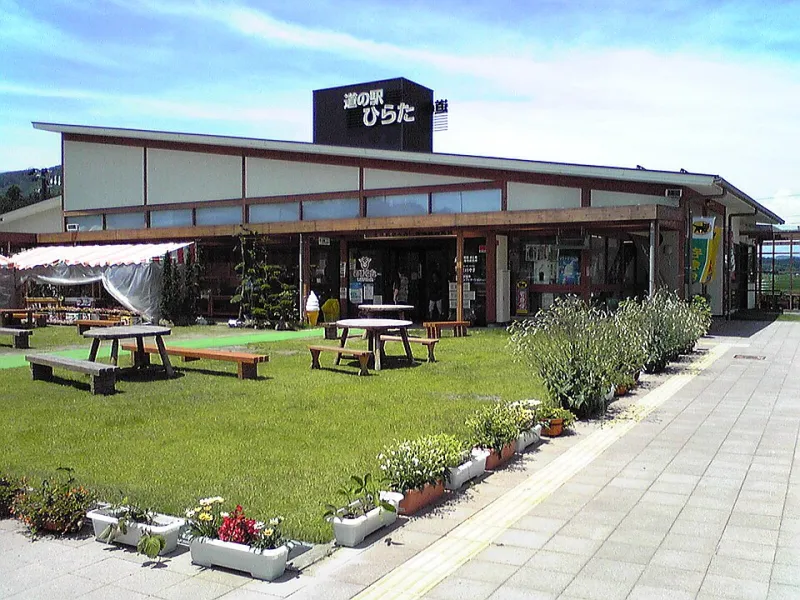
Photo: tail_furry, CC BY-SA 3.0, via Wikimedia Commons
On the edge of a Japanese town, just before the houses loosen into fields, there is often a table. It might be a folding table, a wooden crate turned on its side, or a low shelf under a blue tarp. On top: cabbages, a few daikon, a bag of persimmons, maybe a bunch of spinach tied with twine. A handwritten sign gives the price. Beside it sits a box with a slit in the lid. No cashier. No camera. No one at all.
To an American driver used to farm stands with a cashier or a self-checkout screen, the scene can look like a test. It is not. It is closer to a small piece of public infrastructure, one that runs on exact change and local memory. The stand is not trying to be charming. It is trying to move a morning’s harvest before the afternoon.
A shop with no door
The stand appears in the gap between private land and public road. Usually it belongs to a farmhouse just behind it. The farmer sets out what is ready that day. The sign might say 100 yen, or 200 yen, or simply 'please put money in the box.' A plastic container holds coins. Sometimes there is a notebook, a pen, a small bell, or a stack of plastic bags weighted down with a stone.
There is no opening ceremony. The stand opens when the vegetables arrive and closes when they are gone or when the tarp is pulled back over the table. On rainy days it may be covered. On busy days it may be empty by noon. Regulars learn the rhythm without anyone posting it.
This is not a vending machine. A vending machine enforces the transaction. The stand only proposes it. The box is the whole register, and the register is not watched.
What the season puts on the table
The inventory is a calendar. In spring there may be onions, butterbur, bamboo shoots, small potatoes. Summer brings tomatoes, cucumbers, eggplant, corn, edamame. Autumn is the heaviest season: persimmons, chestnuts, sweet potatoes, daikon, cabbage, spinach. Winter may bring mikan and hardy greens. The stand is not trying to offer everything. It offers what is too much for one household and too little for a supermarket.
Prices are round and legible. One cabbage. One bag of daikon. Three persimmons. The produce may be imperfect. A tomato has a split shoulder. A daikon is forked. The cabbage is enormous and a little lopsided. That is part of the point. This is food that did not need to pass a cosmetic test to be useful.
In the US, honor-system stands exist too, especially for eggs, flowers, and sweet corn. But they often feel like a side project or a rural curiosity. In Japan, the unattended stand is ordinary enough to be boring. It sits at the edge of town like a bus stop. That ordinariness is what makes it interesting.
The box is a small contract
The money box is rarely fancy. It might be a tin, a plastic case, a wooden box with a coin slot, or a repurposed container. Some are locked. Many are not. The farmer counts it at dusk, or the next morning. If the count is short, there is no alarm, no follow-up, no public accusation. If it is over, the extra is absorbed into the next day.
The box works because the stakes are low and the relationships are repeated. A customer who shortchanges a stand may not be caught, but they will see the same farmer’s table next week. They may live nearby. They may know the person who grew the cabbage. The stand is not naive about human behavior. It is designed around the fact that most people, most of the time, will pay for what they take.
There is also a practical logic. Hiring someone to watch a table of vegetables would cost more than the vegetables. A card reader, a camera, an app, a lockbox with an audit trail: each would add friction to a transaction that is supposed to take fifteen seconds. The honor box is not a moral experiment. It is a cheap solution that happens to depend on trust.
The quiet etiquette of buying
If you stop at one of these stands, the etiquette is simple and mostly unspoken. Take what you need. Put the right amount in the box. Use the bags if they are there. Close the tarp if it is raining. Do not rearrange the display. Do not ask for a receipt. Do not linger as if waiting for someone to appear.
The transaction is brief, but it is not empty. You are participating in a small agreement: the farmer left food out, and you will not make them regret it. The box is where that agreement becomes a coin.
What the stand leaves behind
After the vegetables are gone, the stand returns to being a table. The tarp is folded. The sign is taken in or left under a stone. The box goes back to the house. There is no grand lesson printed on a board. The lesson is in the design: make the right thing easy, keep the stakes small, and let people be ordinary.
In a country where convenience stores are open all night and vending machines sell hot coffee on mountain roads, the unattended farm stand is a different kind of convenience. It is not frictionless. It asks you to carry coins. It asks you to trust the sign. It asks you to be a little more careful than a checkout counter requires.
And then it lets you drive away with a cabbage, no one watching the register.